
Benefits of Low-Level Laser Therapy (LLLT) for Pain Relief
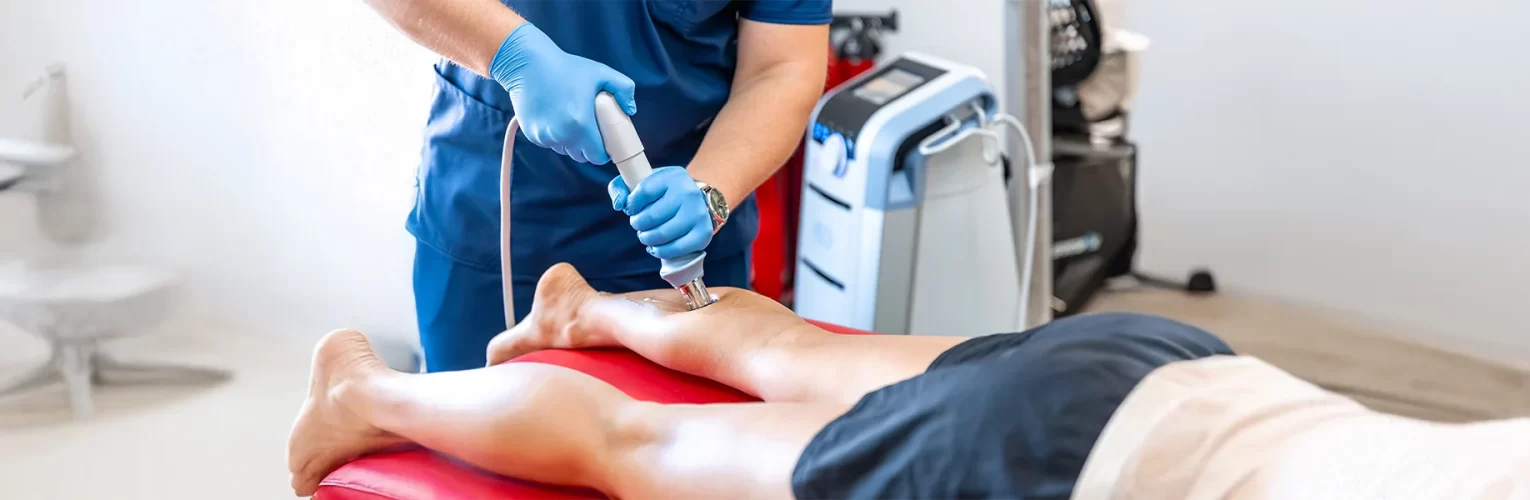
Low-level laser therapy (LLLT), or cold laser therapy, uses low-intensity light to reduce pain and support healing. It’s noninvasive and targets irritated tissues without heat. If you’re considering low-level laser therapy in Beaverton, this guide explains how it works, what to expect, who may benefit, and how to use it alongside other conservative care.
What LLLT Is and How It Helps Pain
LLLT delivers specific wavelengths of light to sore or inflamed tissues. Those photons are absorbed by cell mitochondria, which can boost cellular energy (ATP) and modulate inflammatory pathways. Put simply, it helps irritated tissue settle so movement feels easier, and post-activity flare-ups are less frequent.
How LLLT Works: The Basics Patients Ask About
- Targets the source: Light reaches superficial muscles, tendons, and ligaments.
- Cellular effects: May reduce inflammatory mediators and oxidative stress while supporting microcirculation.
- Comfort: Most people feel no heat, only a handheld device gliding over the skin.
- Complementary care: Often paired with mobility drills and soft tissue therapy for a more complete plan.
Quick Reference: Cold Laser Therapy Benefits
- May reduce pain and local inflammation
- Can ease muscle spasm and trigger-point irritation
- Supports tissue healing after overuse or minor strain
- Noninvasive and typically well tolerated
- Short visits; no downtime
- Works alongside rehab, exercise, and manual care
This list summarizes common cold laser therapy benefits reported in clinical practice; individual results vary.
Conditions LLLT May Support
Many adults consider laser therapy for chronic pain when daily activities start to feel limited. LLLT may be considered for:
- Tendon irritation (e.g., tennis elbow, Achilles discomfort)
- Muscle strains and post-exercise soreness
- Plantar heel pain and shin discomfort from mileage changes
- Neck and low-back stiffness after long desk hours
- Jaw muscle tenderness and tension-type headaches (muscular component)
- Mild arthritic aches during activity transitions
A trusted chiropractor in Beaverton will screen for red flags, review your health history, and decide if LLLT fits safely within a broader plan.
What to Expect: Step-by-Step Visit
- Assessment: Your provider reviews symptoms, movement, and goals.
- Plan: They outline target areas, session length, and number of visits.
- Preparation: Skin is cleaned; protective eyewear may be provided.
- Application: A handheld laser is moved slowly over the region for several minutes.
- Re-check: Range of motion and tenderness are reassessed; you’ll get simple home tips.
- Progression: Sessions are spaced to monitor response and adjust exercises.
Most people resume normal activities immediately. Mild, short-lived soreness can occur, similar to post-workout fatigue.
Safety, Limits, and Who Should Avoid LLLT
LLLT is considered low risk when used properly. Still, there are limits:
- Avoid direct exposure to the eyes or active cancer areas.
- Extra caution is used near the thyroid or during pregnancy (discuss with your provider).
- Deep structural tears, fractures, or severe neurological issues require medical evaluation.
- Results depend on accurate diagnosis, dosage, and consistent follow-through.
LLLT is one tool. It works best alongside posture tweaks, mobility work, graded strengthening, and solid recovery habits.
Cost, Scheduling, and Access
Fees vary by clinic and treatment area. Many plans bundle LLLT with exercise progressions and manual care; insurance coverage differs by policy and diagnosis. If you’re ready to book pain relief treatment, ask about expected sessions, re-evaluation timing, and how LLLT fits with your weekly routine.
FAQs
Is LLLT painful or hot?
No. LLLT uses low-intensity light that does not heat the skin. Most patients feel only the device touching the area.
How many sessions will I need?
Plans vary by condition and goals. Many people notice change within a few sessions, then continue while building strength and mobility.
Can LLLT replace exercise or rehab?
It’s usually part of a plan. Your provider may pair LLLT with stretching, targeted strengthening, and activity pacing for longer-lasting results.
Are there side effects?
Side effects are uncommon. Mild temporary soreness can occur, similar to after a new workout. Your provider will screen for contraindications.
How soon will I feel relief?
Some notice easier movement after the first appointment; others see steady improvement across several visits, depending on tissue irritability and activity load.
Final Thoughts
LLLT offers a gentle, noninvasive option to help calm sore tissues and support recovery. Paired with smart movement and progressive exercise, it can reduce setbacks and keep you active. For a practical, personalized plan that fits your routine, schedule a consultation. PDX Chiro Care can help you decide where LLLT belongs in your care journey.